Why Your RF Link Still Becomes Unstable After Adding More Power
When communication becomes unstable, the first response is often straightforward:
Add more power.
If range is not enough, increase output.
If video becomes unstable, increase output.
If control response starts to lag, increase output again.
Sometimes this helps.
But many teams eventually run into the same frustrating result:
the link still does not become truly stable.
Bench testing may look acceptable.
Initial integration may seem fine.
Yet once the system runs longer or enters real operating conditions, the same problems return.
If this sounds familiar, the issue may not be output power alone.
It may be that the RF chain is gradually becoming harder to control.
When the Problem Goes Beyond Power
Most RF systems do not fail all at once.
They become less predictable first.
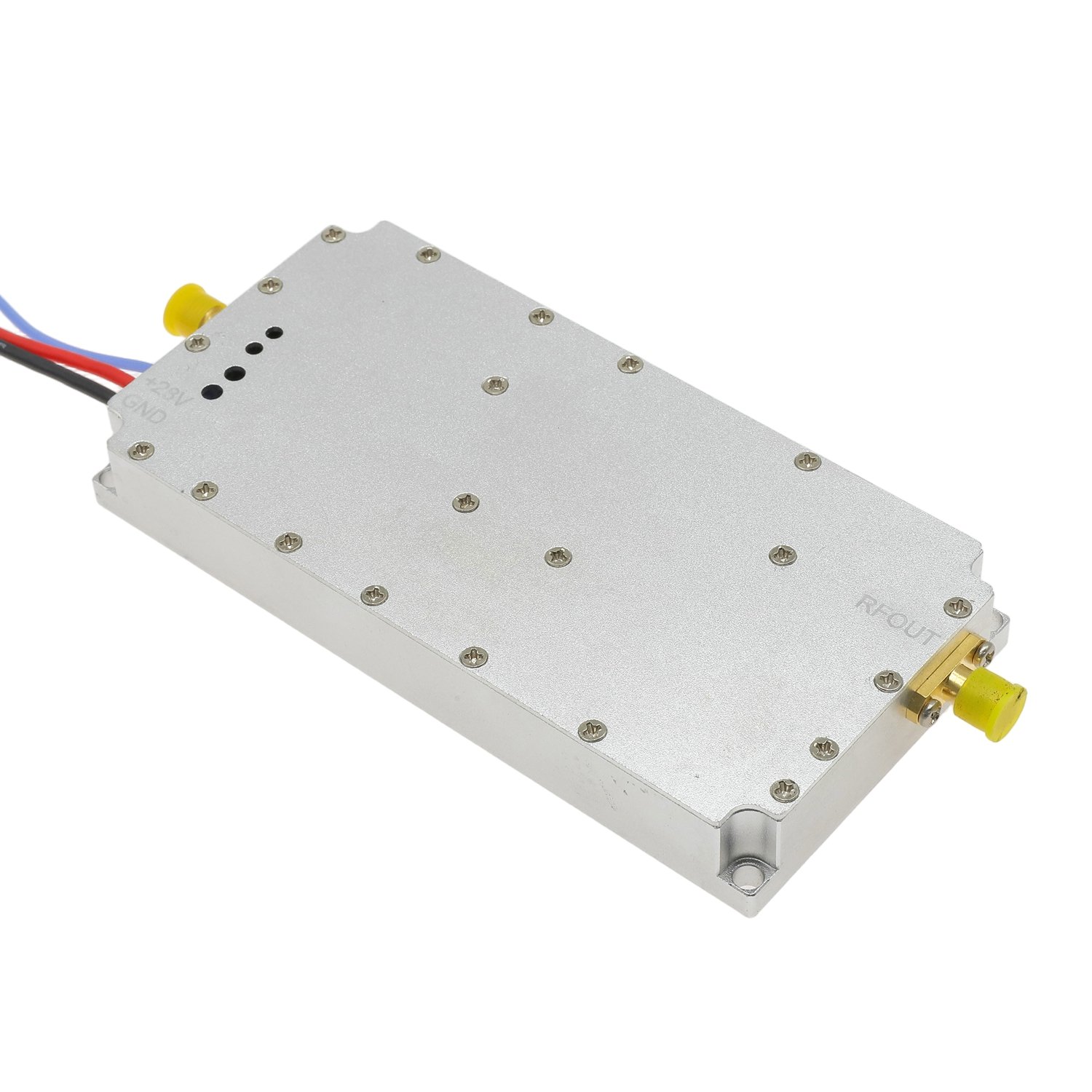
That usually shows up as:
- performance degrading over longer runtime
- field results falling short of bench results
- video or telemetry becoming unstable under certain conditions
- communication quality changing too much across environments
- higher output improving performance only temporarily
When these signs appear together, the problem is often no longer just “not enough power.”
It is more likely a stability issue inside the RF chain.
The Common Assumption — and Where It Starts to Break
The assumption is simple:
more power means a better link.
But in many real systems, that logic starts to fail.
Higher output can increase stress across the RF chain.
It can magnify the effect of mismatch.
It can accelerate thermal-related drift.
Over time, the result is often the same:
less predictable behavior.
In other words, more output may improve performance for a while, but it does not always restore control.
What Is Actually Happening Inside the Chain
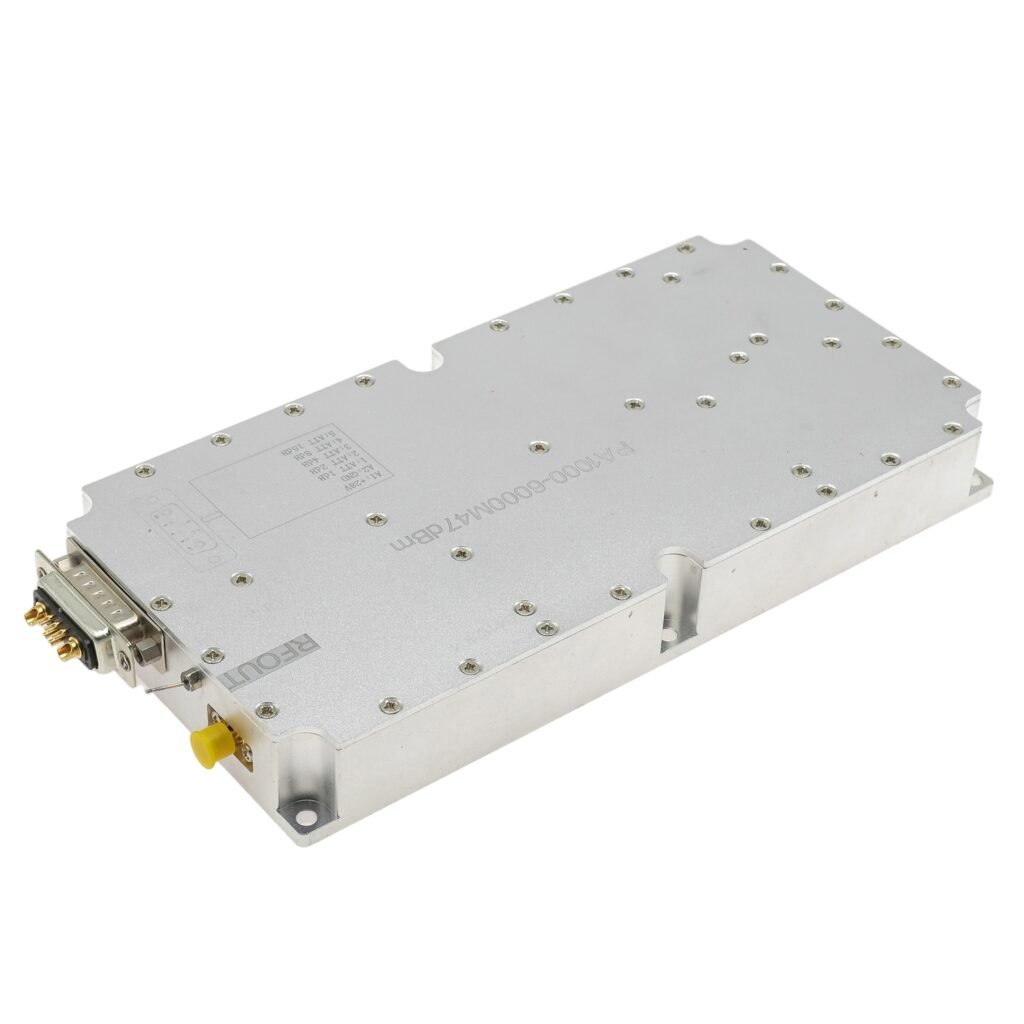
In real deployments, instability rarely comes from one single cause.
More often, it builds from several smaller effects:
- gain drifts as temperature changes over time
- impedance mismatch increases reflected energy
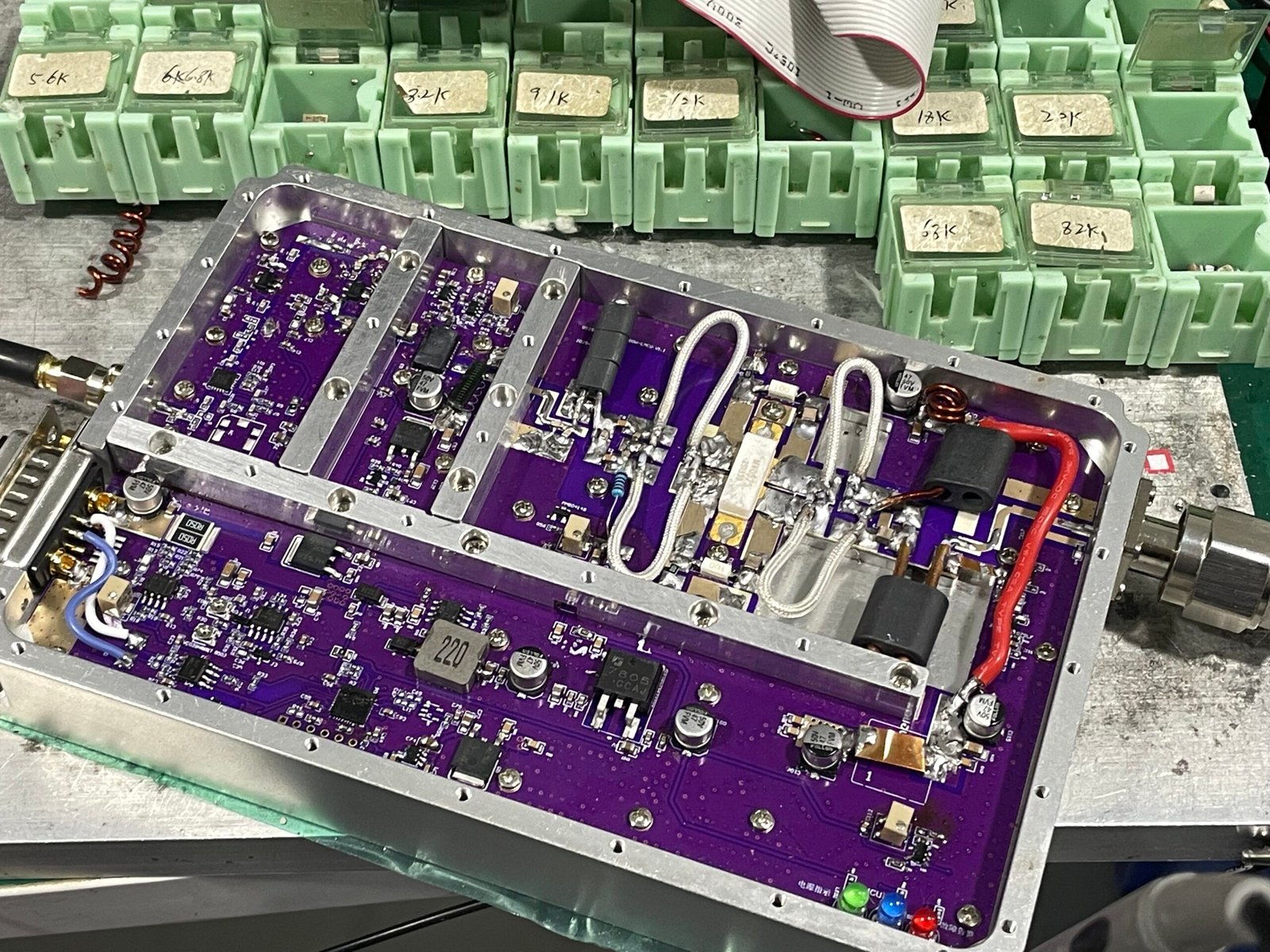
- front-end behavior becomes less predictable under higher drive
- receive-side sensitivity degrades under stress
Individually, these effects may seem manageable.
Together, they make the system harder to control, harder to reproduce, and harder to trust.
That is usually where engineering time starts to disappear.
Why More Power Does Not Always Solve It
Adding more power can improve results temporarily.
But temporary improvement does not always mean the root cause is gone.
If the real issue involves mismatch, reflected power, thermal drift, or broader chain instability, then higher output alone may only mask the problem.
In some cases, it can even make long-term behavior worse.
That is why experienced teams eventually stop asking:
How much more power do we need?
and start asking:
Why does the link become less predictable in real conditions?
That question usually leads to better engineering decisions.
What to Check Before Choosing an RFPA
Before selecting an RF power amplifier, engineering teams should review:
- frequency band
- target output power
- runtime behavior, not just short tests
- thermal performance over time
- integration environment
- reflected power and mismatch risks
A strong specification sheet is useful.
But if the module is not matched to real operating conditions, instability can still remain.
That is why module selection should be based not only on output, but on how the RF chain is expected to behave after integration.
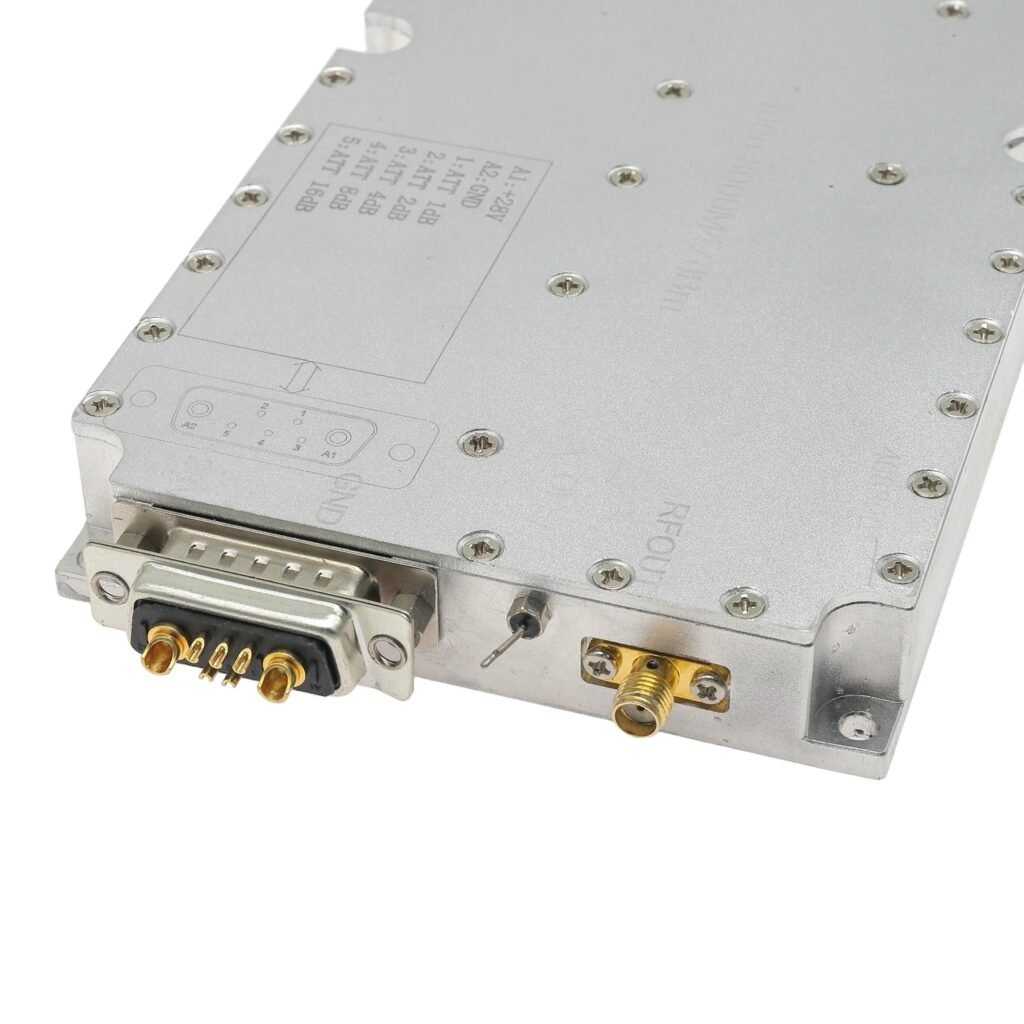
What a Better RFPA Should Actually Help You Do
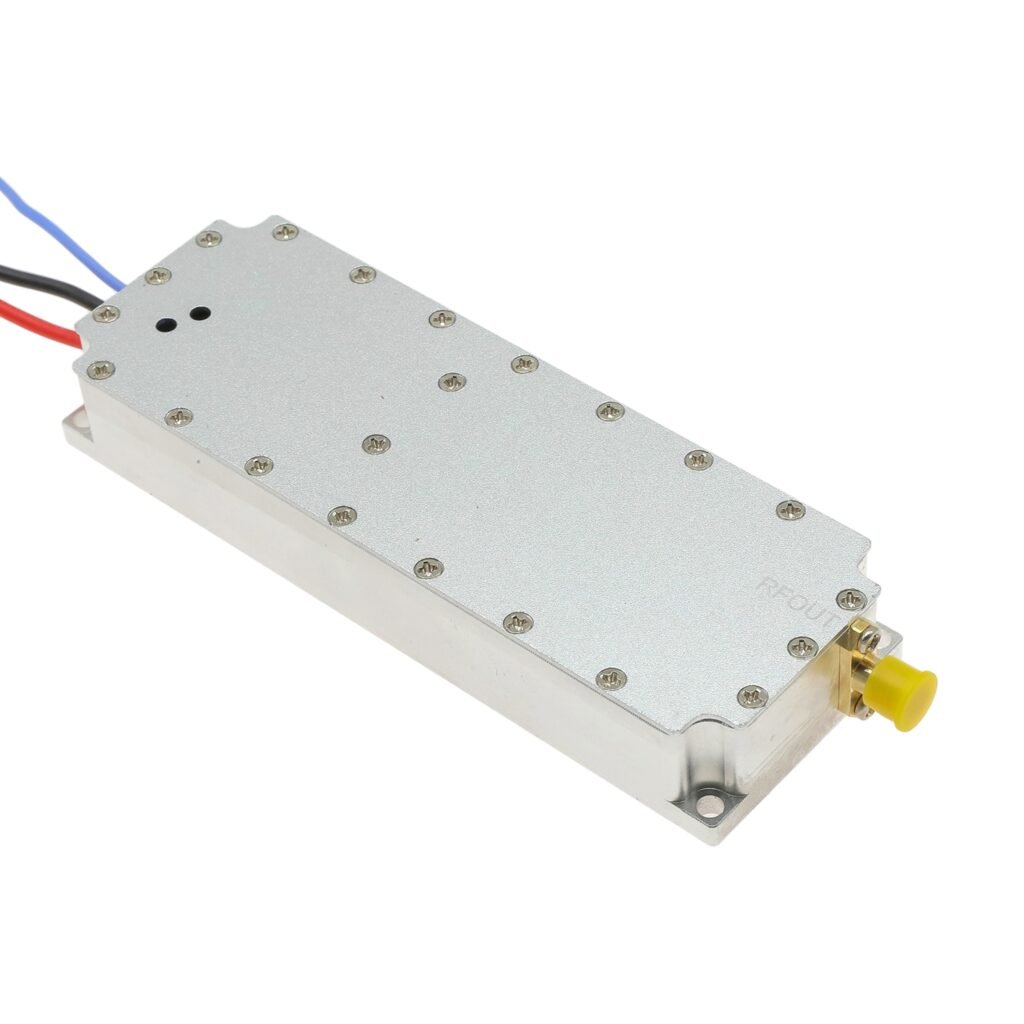
A useful RF power amplifier should do more than increase signal strength.
It should act as a control point inside the RF chain, helping maintain stability under real conditions.
That includes supporting:
- predictable gain behavior over time
- controlled response under mismatch conditions
- stable performance across temperature changes
- reduced sensitivity to integration variations
In other words, the goal is not just more power.
It is a link that becomes more predictable and easier to trust.
For teams operating in demanding RF environments, that difference matters far more than a headline number alone.
Start With the Actual Problem
If your team is already dealing with:
- unstable communication after deployment
- repeated integration adjustments
- inconsistent RF behavior across environments
then the next step should not always be “add more power.”
It is often more useful to first define the problem clearly:
- frequency band
- target output power
- application scenario
- runtime behavior
- current instability symptoms
Once these factors are clear, it becomes easier to determine whether the issue is mainly an output limitation or a deeper RF chain stability problem.
That is usually the point where better decisions — and faster progress — begin.
Talk to Us About Your RF Requirement
If your system shows signs such as:
- stable on the bench but unstable in the field
- performance drifting over time
- inconsistent behavior across environments
then the challenge may not be power alone.
It may be control.
Share your project details with us, including:
- frequency band
- current output level

- system behavior over time
- integration conditions
We can help you assess where stability is being lost, whether the current RF chain is being pushed beyond its predictable range, and what should be reviewed before the next amplifier decision is made.
Final Thought
In many real RF systems, the hardest problem is not low output.
It is a link that still works —
but no longer behaves in a predictable way.

 Chat with us on Telegram
